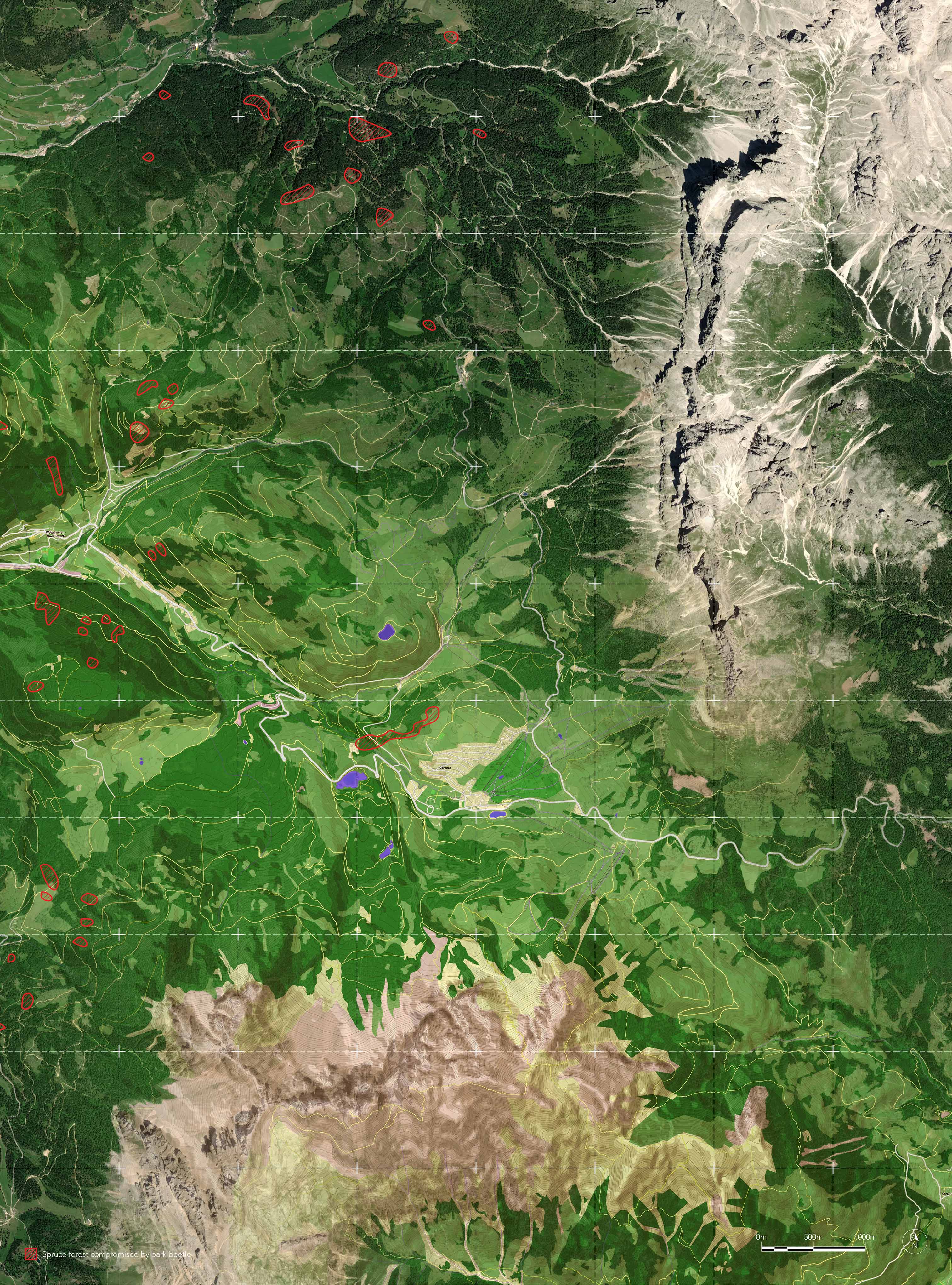
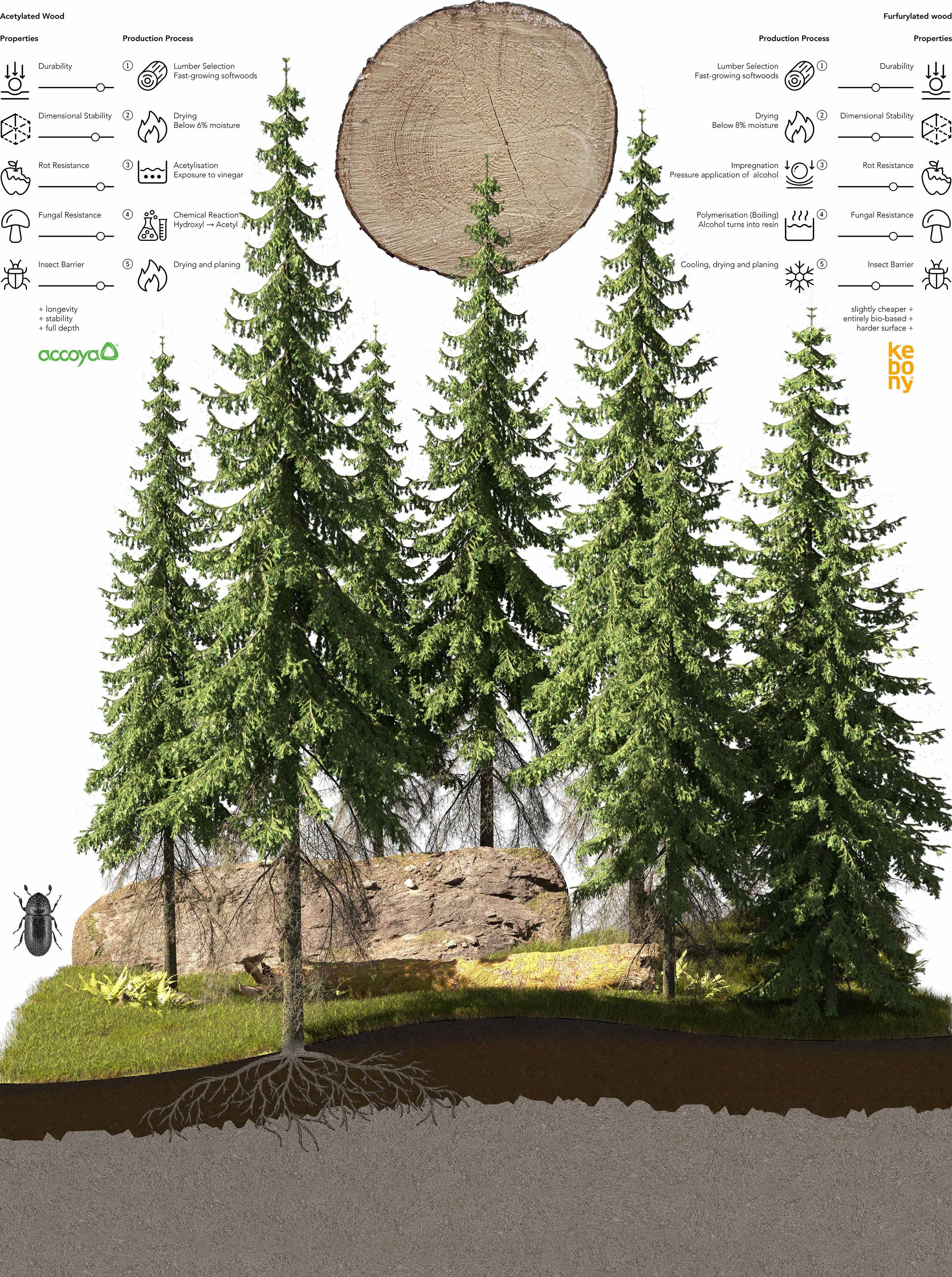
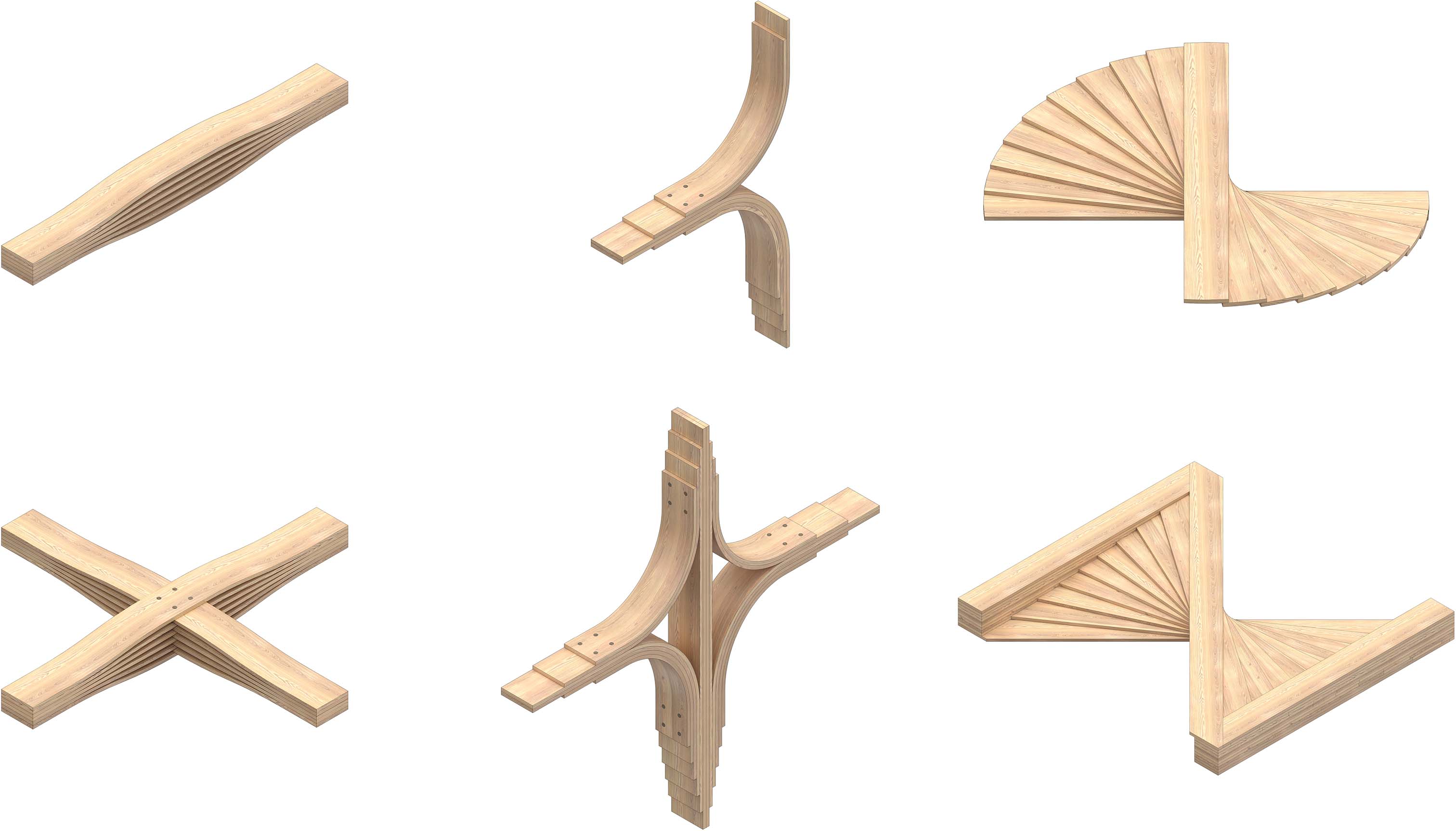
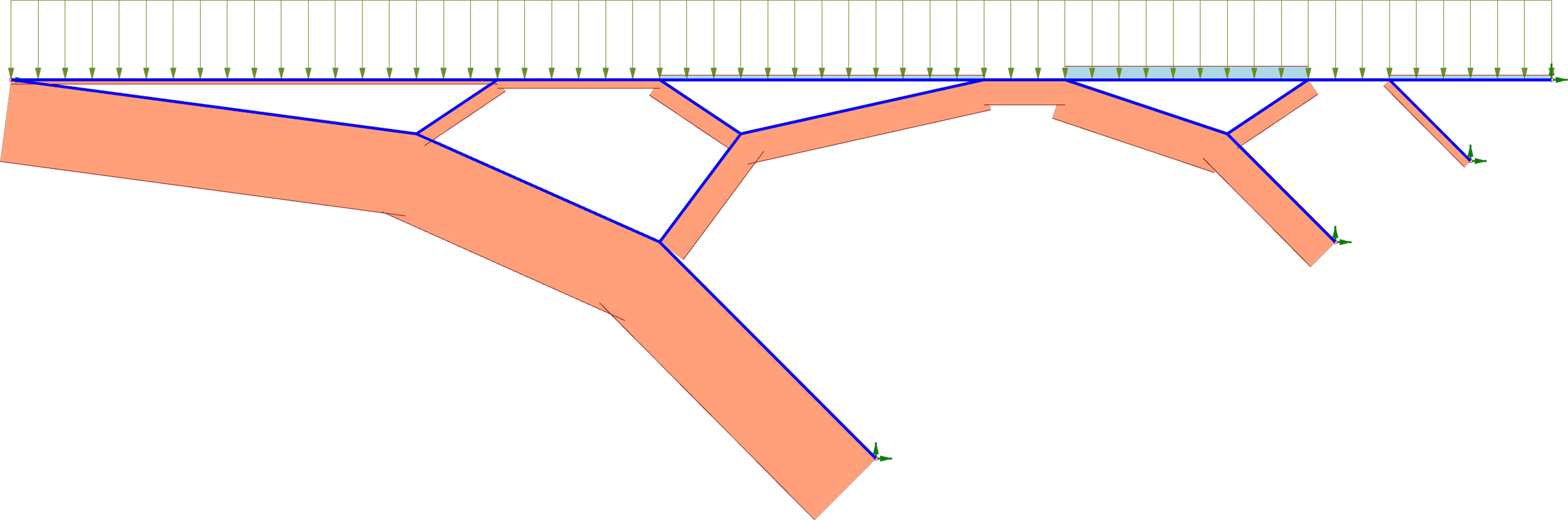
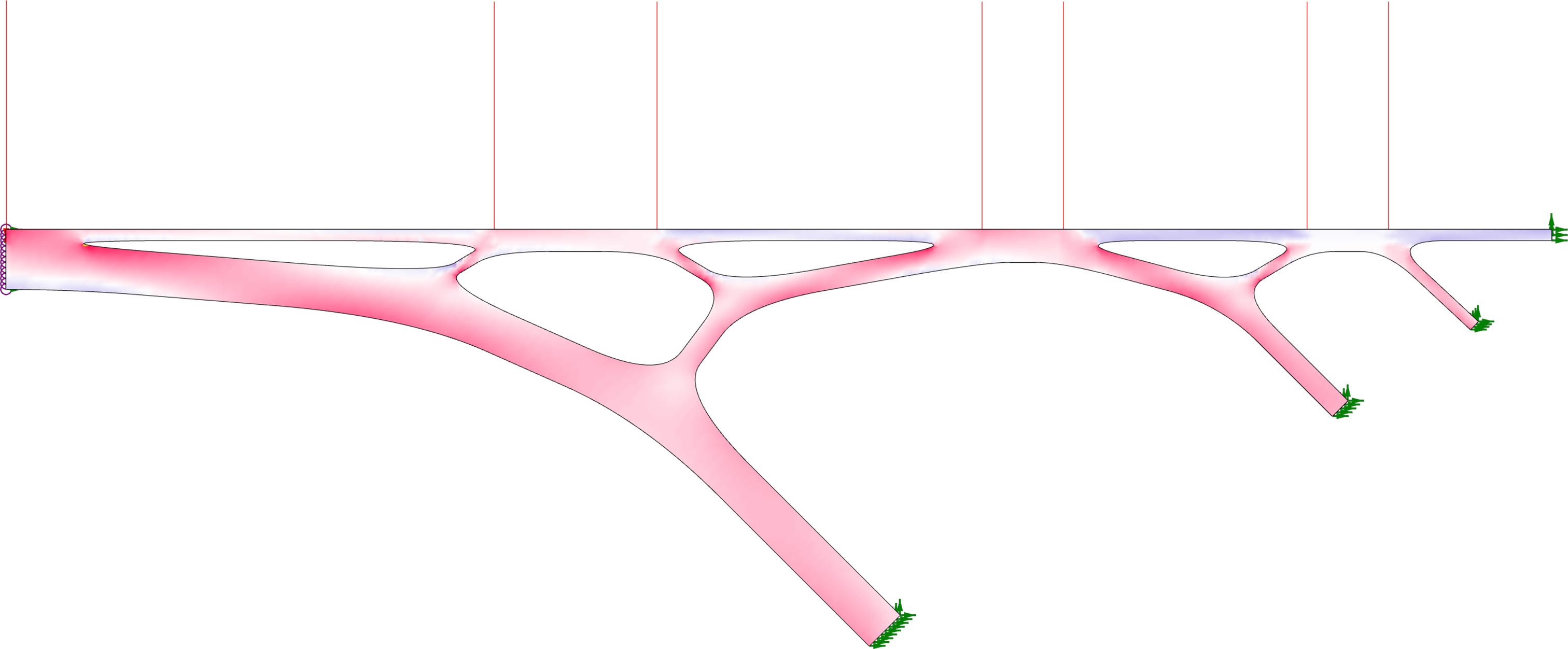
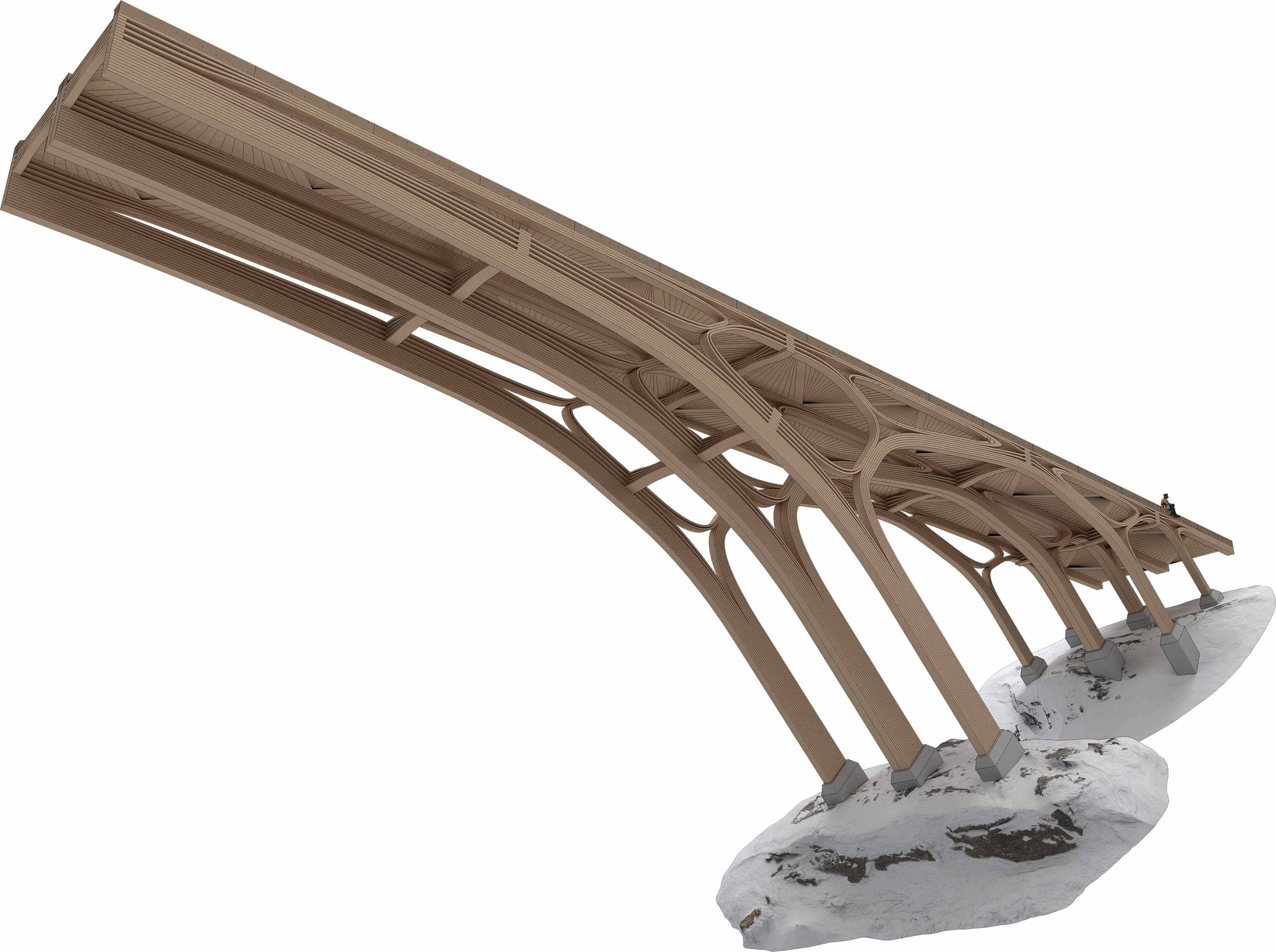
This Wildlife Crossing and Conservation Centre proposes a single structure merging ecological restoration with structural experimentation in the Dolomites. The project re-establishes alpine coniferous habitats fragmented by roads and storms like 2020’s Storm Adrian, reconnecting wildlife corridors around Karersee. Inspired by Musmeci’s integrated forms, the design optimises truss depth and explores delamination to reduce material use while maintaining a cohesive aesthetic. The crossing’s central corridor shields animals from wind and vehicles, allowing safe passage beneath a deck that hosts an immersive observation centre. Mezzanines of fanned spruce planks thread between structural members, offering views without disturbing sensitive species. A two-level conservation facility beneath the deck accommodates research and education in naturally lit spaces formed by perforated floors. By championing advanced timber treatments, the project transforms storm-felled spruce into a driver of regenerative architecture and local resource stewardship, restoring vital forest connectivity and raising awareness of alpine ecosystems’ resilience and fragility.






 Leo Kauntz Moderini